Signs and Causes of an Achilles Tendon Injury

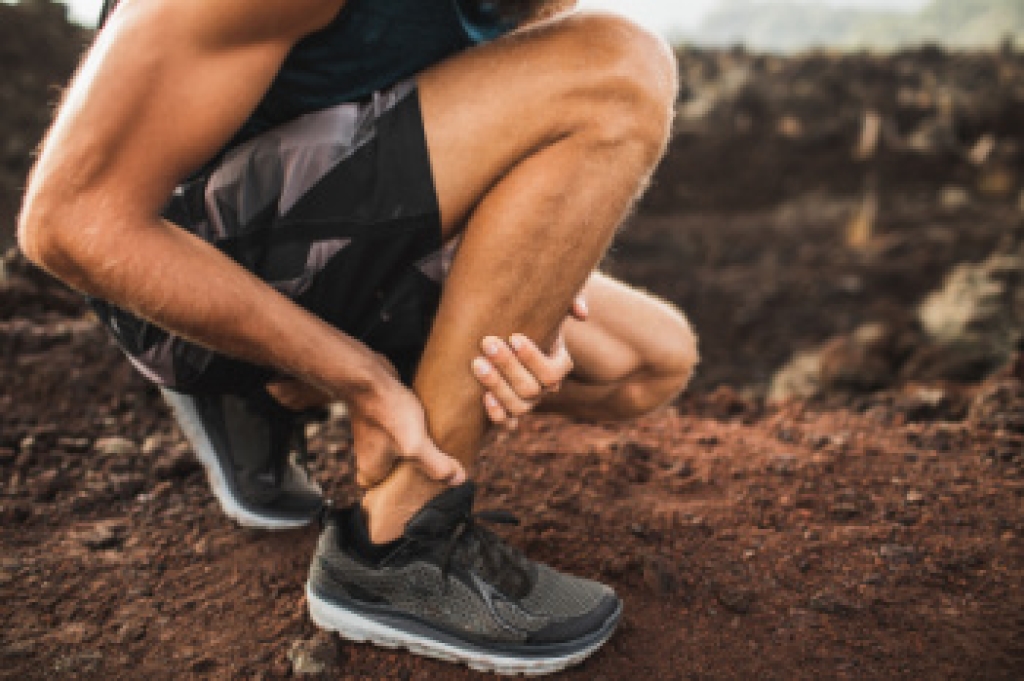
The Achilles tendon connects the calf muscles to the heel bone, and helps the foot point downward. An Achilles tendon injury can develop when repeated activity places too much stress on this strong band of tissue. Running, jumping, and long periods of walking can strain the tendon, especially after a sudden increase in activity. Tight calf muscles can also place extra stress on the area. Symptoms include pain, stiffness, and thickening around the tendon. Pain can be noticeable first thing in the morning or after activity. As the problem becomes more severe, discomfort can occur when walking or running, particularly uphill or across uneven ground.

Several factors can increase stress on the Achilles tendon. Ankle stiffness, calf tightness, and muscle weakness can affect how forces travel through the lower leg. Foot position and poor balance can also contribute to the problem. Shoes that lack proper support, especially very flat shoes, can place additional strain on the tendon. Because complete rest can weaken muscles and tendons, treatment focuses on restoring healthy movement and gradually improving the tendon’s ability to handle activity.  Wearing supportive shoes with a slightly raised heel can also reduce strain while the tendon recovers.

A podiatrist can examine the foot and ankle to determine what is causing Achilles tendon pain. The evaluation can assess foot position, ankle movement, and the way the patient walks. Treatment can focus on improving how the foot functions and reducing excessive strain on the tendon. A podiatrist can also recommend appropriate shoes and develop a structured plan for returning to activity safely. Early evaluation can help prevent ongoing pain from interfering with work, exercise, and everyday movement. If you have symptoms of an Achilles tendon injury, it is suggested that you schedule an appointment with a podiatrist for a diagnosis and appropriate treatment.

Achilles tendon injuries need immediate attention to avoid future complications. If you have any concerns, contact Steven Ginex, DPM of Palm Desert Podiatry. Our doctor can provide the care you need to keep you pain-free and on your feet.

What Is the Achilles Tendon?

The Achilles tendon is a tendon that connects the lower leg muscles and calf to the heel of the foot. It is the strongest tendon in the human body and is essential for making movement possible. Because this tendon is such an integral part of the body, any injuries to it can create immense difficulties and should immediately be presented to a doctor.

What Are the Symptoms of an Achilles Tendon Injury?

There are various types of injuries that can affect the Achilles tendon. The two most common injuries are Achilles tendinitis and ruptures of the tendon.

Achilles Tendinitis Symptoms

  • Inflammation
  • Dull to severe pain
  • Increased blood flow to the tendon
  • Thickening of the tendon

Rupture Symptoms

  • Extreme pain and swelling in the foot
  • Total immobility

Treatment and Prevention

Achilles tendon injuries are diagnosed by a thorough physical evaluation, which can include an MRI. Treatment involves rest, physical therapy, and in some cases, surgery. However, various preventative measures can be taken to avoid these injuries, such as:

  • Thorough stretching of the tendon before and after exercise
  • Strengthening exercises like calf raises, squats, leg curls, leg extensions, leg raises, lunges, and leg presses

If you have any questions please feel free to contact our office located in Palm Desert, CA . We offer the newest diagnostic tools and technology to treat your foot and ankle needs.

Read more about What are Achilles Tendon Injuries

Keep Your Feet Healthy So You Can Stay Active

Have your feet inspected by a professional before starting a new sport or physical activity. Taking charge of your foot health will keep you in good physical condition and can help you avoid a potential injury, such as a fracture or sprained ankle.

Prevent injuries and see a foot specialist.

Choosing the Right Cane for Balance and Fall Prevention

A cane is a mobility aid designed to improve balance, reduce pressure on the lower extremities, and help prevent falls. It is commonly used by individuals recovering from foot or ankle injuries or those experiencing weakness or instability. A properly selected cane provides support during walking and can reduce strain on affected joints. Choosing the right cane involves understanding individual needs, body measurements, and the type of support required for safe movement. This simple tool can make a meaningful difference in daily mobility and independence.

Symptoms that may indicate the need for a cane include foot or ankle pain, instability while walking, and difficulty maintaining balance. Individuals recovering from sprains, fractures, or chronic conditions may benefit from added support. Risk factors for falls include poor balance, muscle weakness, and uneven walking surfaces. Without proper assistance, these factors can increase the likelihood of injury. A cane helps distribute weight more evenly and provides an additional point of contact with the ground, improving stability and confidence during movement.


Selecting a cane that fits correctly is essential for safety and effectiveness. The height should allow the handle to align with the wrist when the user stands upright with arms relaxed. This ensures proper posture and reduces strain on the shoulders and back. Learning how to use a cane is equally important. It should be held on the opposite side of the injured or weaker foot and moved in coordination with the affected leg. Different types of canes, including single point and quad-base designs, offer varying levels of support depending on individual needs.


Using a cane can support recovery from foot and ankle injuries while helping prevent further complications. A cane should be viewed as a supportive tool that enhances safety and independence. If you have a foot condition that would benefit from using a cane, it is suggested that you consult a podiatrist who can determine what type of cane is right for you.

Preventing falls among the elderly is very important. If you are older and have fallen or fear that you are prone to falling, consult with Steven Ginex, DPM from Palm Desert Podiatry. Our doctor will assess your condition and provide you with quality advice and care.

Every 11 seconds, an elderly American is being treated in an emergency room for a fall related injury. Falls are the leading cause of head and hip injuries for those 65 and older. Due to decreases in strength, balance, senses, and lack of awareness, elderly persons are very susceptible to falling. Thankfully, there are a number of things older persons can do to prevent falls.

How to Prevent Falls

Some effective methods that older persons can do to prevent falls include:

  • Enrolling in strength and balance exercise program to increase balance and strength
  • Periodically having your sight and hearing checked
  • Discuss any medications you have with a doctor to see if it increases the risk of falling
  • Clearing the house of falling hazards and installing devices like grab bars and railings
  • Utilizing a walker or cane
  • Wearing shoes that provide good support and cushioning
  • Talking to family members about falling and increasing awareness

Falling can be a traumatic and embarrassing experience for elderly persons; this can make them less willing to leave the house, and less willing to talk to someone about their fears of falling. Doing such things, however, will increase the likelihood of tripping or losing one’s balance. Knowing the causes of falling and how to prevent them is the best way to mitigate the risk of serious injury.  

If you have any questions, please feel free to contact our office located in Palm Desert, CA . We offer the newest diagnostic and treatment technologies for all your foot care needs.

Read more about Falls Prevention

Why Corns on the Feet Are Painful

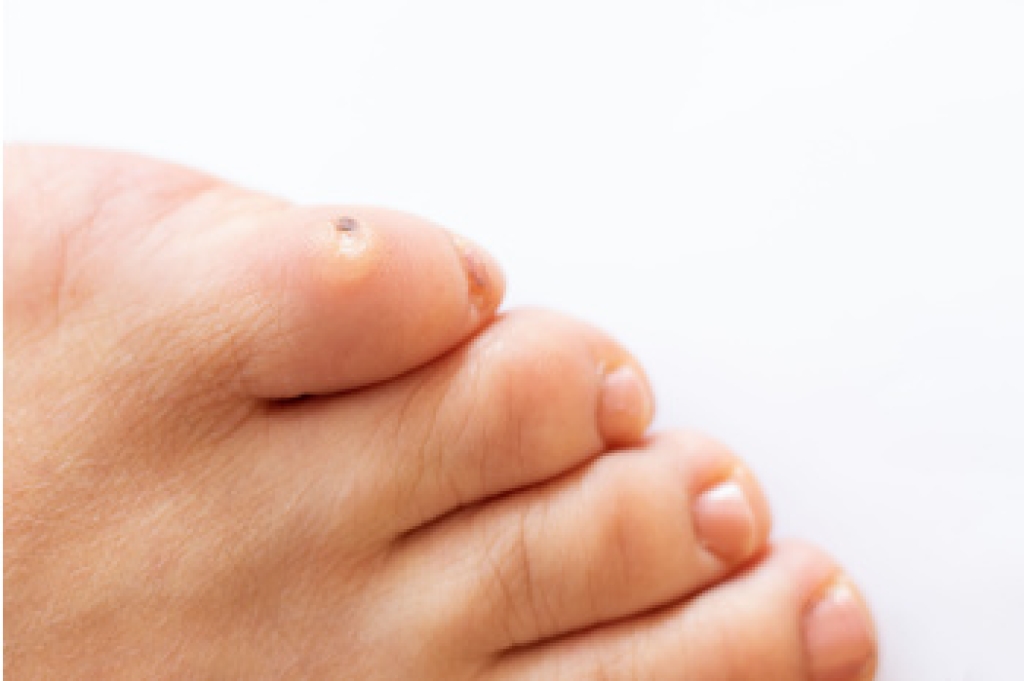
Foot corns are concentrated areas of thickened skin that develop in response to consistent pressure or friction. They most often form on the tops of toes, between toes, or on the outer edges of the foot, such as the pinky toe, where shoes rub repeatedly. These areas are prone to pressure due to their position against footwear or neighboring toes. Corns develop as a protective mechanism, but they can become painful and interfere with normal walking. Their central core can press inward, making even light contact uncomfortable.

Symptoms of foot corns include a firm, raised bump with a hard center and surrounding inflamed skin. The area may feel tender when touched or when pressure is applied during movement. Some corns develop between the toes and remain softer due to moisture, while others become dry and hardened. Individuals may notice redness, irritation, or a sensation of pressure within the affected area. Pain can increase when wearing tight shoes or during extended periods of standing or walking.


Several risk factors contribute to the formation of corns. Wearing ill-fitting shoes is one of the most common causes, particularly styles that crowd the toes or create uneven pressure. Foot deformities such as hammertoes or misaligned joints can increase friction points. Walking barefoot on hard surfaces or wearing shoes without proper cushioning may also elevate risk. Repetitive activities that place stress on the same areas of the foot can lead to the gradual development of corns.


Corns form because of repeated pressure that triggers the skin to thicken in a localized area. This protective response can become problematic when the thickened skin presses into deeper tissues. Managing pressure through wearing proper footwear and foot care is essential for prevention. Corns can be painful, and cause difficulty in completing daily activities. If this applies to you, it is strongly suggested that you consult a podiatrist who can offer effective relief solutions and prevention tips.

If you have any concerns regarding your feet and ankles, contact Steven Ginex, DPM of Palm Desert Podiatry. Our doctor will treat your foot and ankle needs.

Corns: What Are They? and How Do You Get Rid of Them?
Corns can be described as areas of the skin that have thickened to the point of becoming painful or irritating. They are often layers and layers of the skin that have become dry and rough, and are normally smaller than calluses.

Ways to Prevent Corns
There are many ways to get rid of painful corns such as wearing:

  • Well-fitting socks
  • Comfortable shoes that are not tight around your foot
  • Shoes that offer support

Treating Corns
Treatment of corns involves removing the dead skin that has built up in the specific area of the foot. Consult with Our doctor to determine the best treatment option for your case of corns.

If you have any questions, please feel free to contact our office located in Palm Desert, CA . We offer the newest diagnostic and treatment technologies for all your foot care needs.

Read more about Corns: What Are They, and How Do You Get Rid of Them

Gout Can Lead to Lasting Bone and Joint Damage

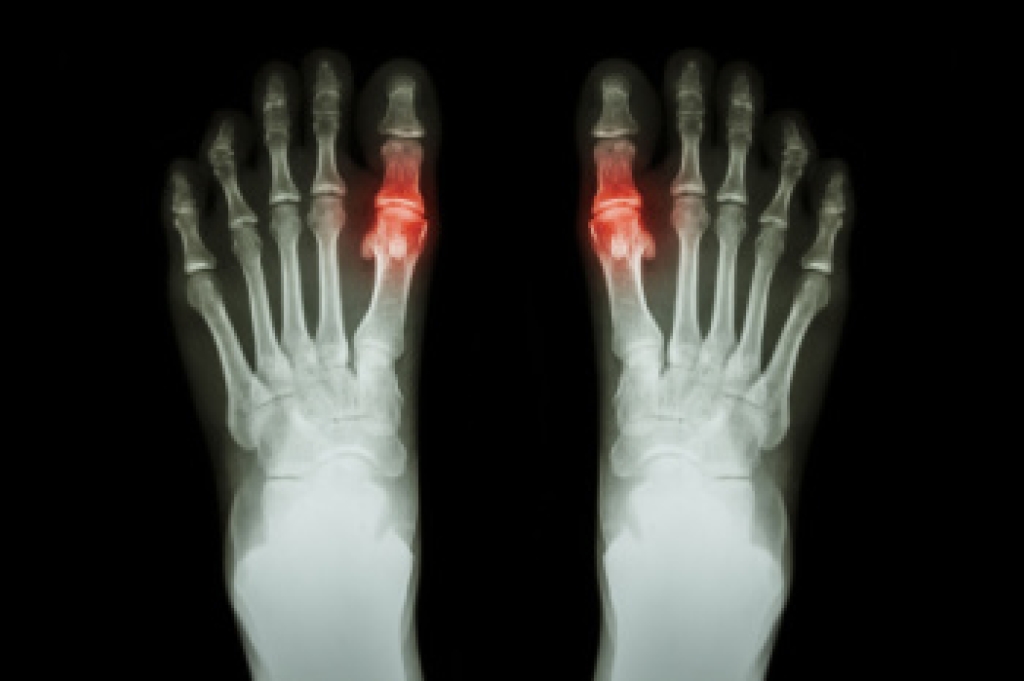
Gout develops when uric acid forms sharp crystals in a joint. Uric acid is a waste product that leaves the body through the kidneys. When too much remains in the blood, crystals can collect and trigger inflammation. An attack typically begins in the big-toe joint, though it can also affect the ankle. Symptoms include intense pain, swelling, and redness. The joint can also feel warm and extremely tender. Even light pressure from a sock or bedsheet can become difficult to tolerate. Repeated attacks can damage nearby bone and threaten the long-term health of the joint.

Gout research has found bone erosions in nearly half of the patients studied. These findings show why recurring attacks deserve careful medical attention. Bone erosions are damaged areas along the surface of a bone near a joint. The damage was more likely to occur among older patients and those who had lived with gout longer. It was also linked to frequent flare-ups. High blood pressure, high blood sugar, and kidney disease were associated with greater risk. Tophi, which are firm deposits of uric acid crystals around joints, were also connected with bone deterioration. 

A podiatrist can examine the painful joint and review the pattern of gout attacks. The evaluation includes checking swelling, skin color, and joint movement. Imaging can reveal crystal deposits or bone damage, while laboratory testing can help support the diagnosis. The podiatrist can develop a treatment plan and coordinate care with the patient’s primary doctor or another specialist. Professional foot care can protect irritated skin and reduce pressure around a tender joint. A podiatrist can also recommend fitted shoes or custom orthotics that improve comfort and support. Regular evaluations help track changes in the joint and identify complications before more damage occurs. Early diagnosis and steady medical management can reduce future attacks and protect joint health. If you have symptoms of gout, it is suggested that you schedule an appointment with a podiatrist for a diagnosis and appropriate treatment.

Gout is a painful condition that can be treated. If you are seeking treatment, contact Steven Ginex, DPM from Palm Desert Podiatry. Our doctor will treat your foot and ankle needs.

What Is Gout?

Gout is a form of arthritis that is characterized by sudden, severe attacks of pain, redness, and tenderness in the joints. The condition usually affects the joint at the base of the big toe. A gout attack can occur at any random time, such as the middle of the night while you are asleep.

Symptoms

  • Intense Joint Pain - Usually around the large joint of your big toe, and it most severe within the first four to twelve hours
  • Lingering Discomfort - Joint discomfort may last from a few days to a few weeks
  • Inflammation and Redness -Affected joints may become swollen, tender, warm and red
  • Limited Range of Motion - May experience a decrease in joint mobility

Risk Factors

  • Genetics - If family members have gout, you’re more likely to have it
  • Medications - Diuretic medications can raise uric acid levels
  • Gender/Age - Gout is more common in men until the age of 60. It is believed that estrogen protects women until that point
  • Diet - Eating red meat and shellfish increases your risk
  • Alcohol - Having more than two alcoholic drinks per day increases your risk
  • Obesity - Obese people are at a higher risk for gout

Prior to visiting your podiatrist to receive treatment for gout, there are a few things you should do beforehand. If you have gout you should write down your symptoms--including when they started and how often you experience them, important medical information you may have, and any questions you may have. Writing down these three things will help your podiatrist in assessing your specific situation so that he or she may provide the best route of treatment for you.

If you have any questions, please feel free to contact our office located in Palm Desert, CA . We offer the newest diagnostic and treatment technologies for all your foot care needs.

Read more about Gout

Connect With Us

scroll to top